info@ethicallyspeaking.net

10
Aug
0
Who Were the Moors in Spain?
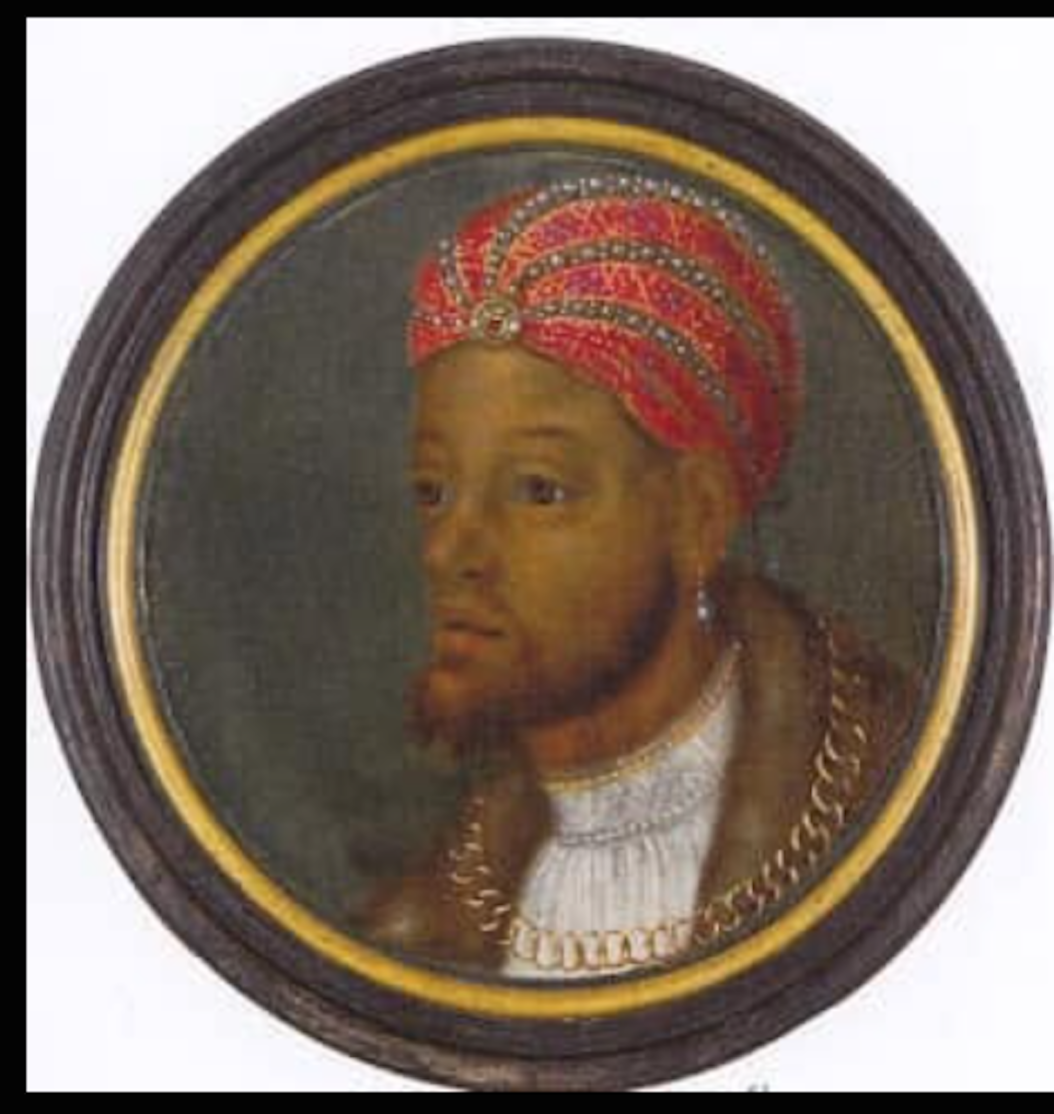
As you read this blog, you may be wondering, who were the Moors? The Moors were dark skinned Africans who created civilizations in the northern, western, and eastern regions of Africa. The original term Moor comes from the Latin Maurus. It refers to the people of Mauritania located in North Africa (EBSCO Research Starters 2022). They were a Muslim people who ruled most of the Iberian Peninsula from 711 to 1492. Although many Moors were in fact Muslim, many of them also belonged to other religious bodies such as Judaism and Christianity. As a dark people, the Moors conquered the Iberian Peninsula after the Visigoths left the land (EBSCO Research Starters 2022). They later developed most of Europe into a modern and urban civilization.
The term Moor means black. It was a term used by early white Europeans to describe these Africans. The Moors consist of several Black ethnic groups that still exist. Terms such as Muslims, Arabs, and Berbers were synonymously used to whitewash the Moors’ historical contributions in Europe (EBSCO Research Starters 2022). In Medieval Al-Andalus (Islamic Spain), the term Moor became associated with Islam due to various Islamic Dynasties that ruled it for 700 years. In other parts of Europe, Moor meant African or someone with dark complexioned skin (Lowe 2015).
In 711 AD, the Moors invaded Spain, then Italy in 827 AD. Due to the Moors’ high degree of education and culture, they civilized many parts of Europe such as Spain and Italy. They introduced bathing, soap, irrigation, plumbing, streetlights, music, dance, art, architecture, astronomy, physics, mathematics, geography, and philosophy to Europe (EBSCO Research Starters 2022). Their contributions literally brough Europe out of the Dark Ages.
During their reign, known as Al-Andalus, the region grew and advanced in math, science, medicine, agriculture, architecture, public health, culture, and the arts. In 711, Moorish forces led by Tariq ibn Ziyad and Musa ibn Nusayr won the Battle of Guadalete against the Visigoth king, Roderic (Mizere 2022). Throughout their rule in Spain, the Moors built palaces, gardens, and mosques that were later transformed into Catholic churches (Mizere 2022). These remnants of the Moors still stand today as evidence of their contributions to Europe. In addition, the Moors simultaneously introduced Algebra and medicine to Europe, even crops such as citrus, sugarcane, vines, and olive groves (Mizere 2022). Moorish rulership ended in 1492. Muhammad XII of Granada (known as Boabdil) was defeated. Granada then fell to the Catholic king and queen of Castile and Aragon, Isabella and Ferdinand (Mizere 2022).
By Obiora N. Anekwe
References:
EBSCO Research Starters. “The Moors: A Brief History.” Ethnic and Cultural Studies. 2022.
Mizere, Mpilo. “So Who Were the Moors?” African History Group. Facebook post. 2022. https://www.facebook.com/groups/275114380263865/posts/694784204963545/
Tags: Black American
Categorised in: Blog
Categorised in: Blog