info@ethicallyspeaking.net

More Than a Degree: How HBCUs Strengthen the Minds and Futures of Black Students
- Home
- Uncategorized
- More Than a Degree: How HBCUs Strengthen the Minds and Futures of Black Students
29
May
0
More Than a Degree: How HBCUs Strengthen the Minds and Futures of Black Students
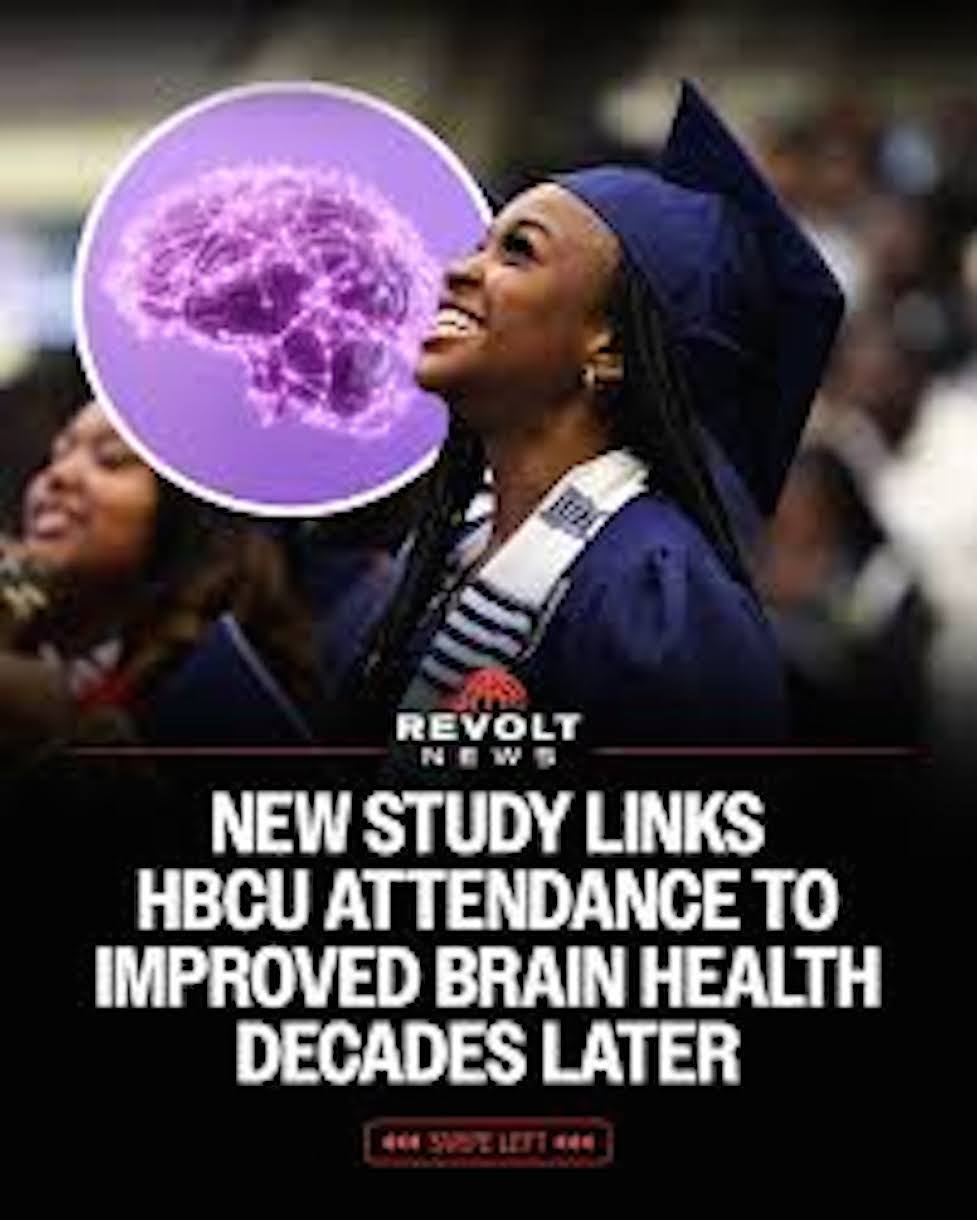
A study published in 2026 by JAMA Network Open found that Black adults who attended Historically Black Colleges and Universities (HBCUs) demonstrated better memory and cognitive functioning by age 62 compared to their peers who attended Predominantly White Institutions (PWIs). This research suggests that culturally affirming educational environments can have profound and lasting effects on brain health. As highlighted by HBCU Sports (2026), such institutions foster spaces where identity and intellect flourish together.
The study analyzed data from 1,978 Black individuals who attended college between 1940 and 1980. Researchers discovered that students who attended HBCUs often benefited from strong support systems, including mothers and caregivers with college experience and parents who provided emotional support during childhood. These foundational influences, coupled with nurturing academic environments, contributed to positive cognitive and developmental outcomes later in life.
At its core, the study examined whether exposure to an HBCU positively influenced cognitive development. The findings suggest a clear and compelling answer: yes. Culturally affirming institutions provide long-term benefits, including enhanced memory, intellectual confidence, and psychological well-being.
I can personally attest to these findings as a graduate of two historically Black universities—Clark Atlanta University and Tuskegee University. My undergraduate experience at Clark Atlanta University fostered a profound sense of self-awareness. My identity was positively affirmed by professors who looked like me and who were deeply invested in my success. There, I gained a deeper understanding of African American history, which inspired me to write children’s and educational history books about influential Black figures from my community in Columbus, Georgia.
By the time I pursued graduate studies at Tuskegee University, I was firmly grounded in my sense of purpose. At Tuskegee, I explored the history of science and medicine and confronted the ethical complexities surrounding the Tuskegee Syphilis Study. This experience profoundly shaped my academic and professional trajectory, inspiring me to dedicate my life’s work to the field of bioethics. Without my time at Tuskegee University, I might not have fully understood the intricate relationship between science, ethics, and the health and well-being of Black communities in America.
The experiences I gained at both institutions prepared me for the challenges I would later face as an educator and bioethicist. My HBCU education not only equipped me with academic knowledge but also strengthened my resilience, confidence, and commitment to advancing equity in education and healthcare. These culturally affirming environments empowered me to navigate and contribute meaningfully to a complex and ever-evolving world.
Ultimately, HBCUs offer more than academic credentials—they provide transformative experiences that nurture intellectual growth, cultural pride, and lifelong well-being. As research continues to affirm their impact, it becomes increasingly clear that attending an HBCU is not only an educational decision but also an investment in cognitive health, personal development, and generational progress.
Ethically speaking,
Obiora N. Anekwe
References
HBCU Sports. (2026). Culturally affirming college environments may have lasting effects on brain health. https://hbcusports.com
JAMA Network Open. (2026). Cognitive outcomes among Black graduates of Historically Black Colleges and Universities and Predominantly White Institutions. JAMA Network Open. https://jamanetwork.com/journals/jamanetworkopen
Categorised in: Uncategorized