info@ethicallyspeaking.net

13
Jan
0
Honoring Rev. Dr. Martin Luther King, Jr.
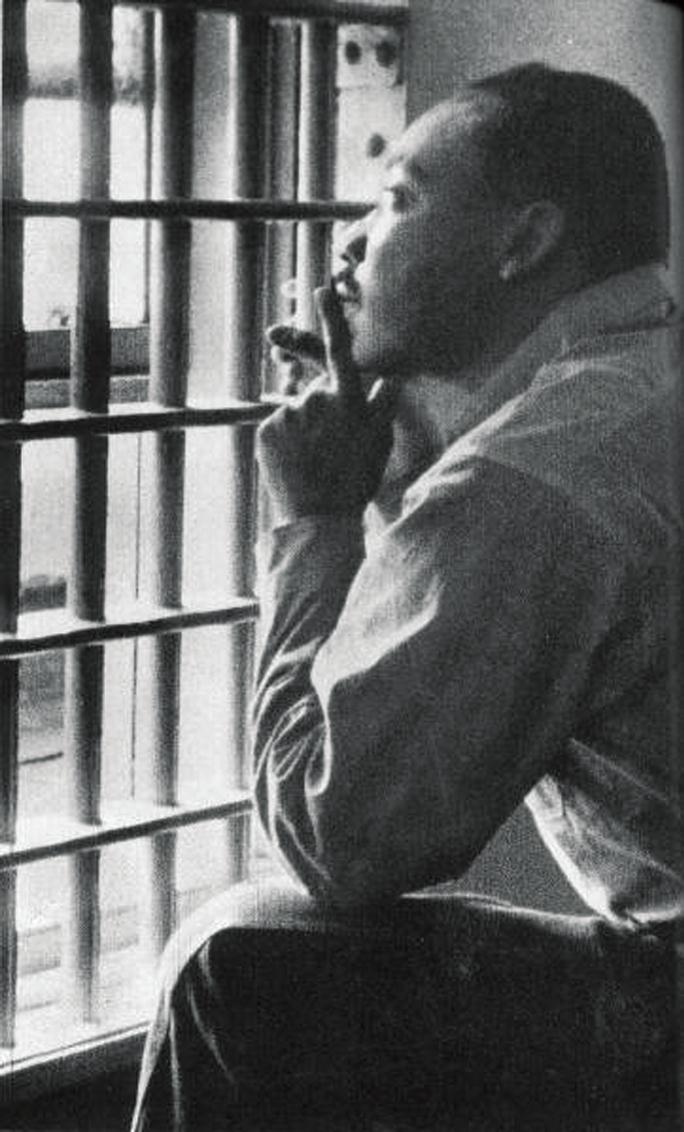
Each January, we pause to celebrate the life and legacy of one of America’s greatest moral leaders—Rev. Dr. Martin Luther King, Jr. His unwavering courage, intellectual brilliance, and steadfast commitment to justice continue to inspire generations. For me, Dr. King has long stood as a guiding light in the struggle for civil rights and human dignity.
While pursuing graduate studies in teacher education at Pace University in Manhattan, New York, I was required to complete a capstone research project. I chose to focus my work on a close analytical reading of Dr. King’s Letter from Birmingham Jail (1963), a text that remains profoundly relevant more than six decades after it was written.
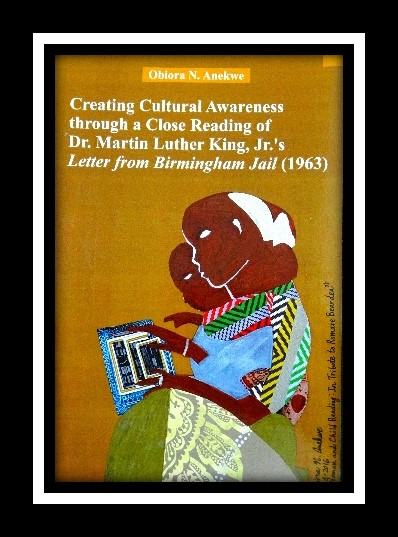
What began as an academic assignment soon evolved into something far more meaningful. After sharing my work with classmates, I made the decision to expand the project and publish it as a book.
The result was Creating Cultural Awareness through a Close Reading of Dr. Martin Luther King, Jr.’s Letter from Birmingham Jail (1963), a scholarly yet accessible work that addresses a critical gap in today’s English Language Arts (ELA) curriculum—the lack of meaningful diversity and cultural awareness. To explore this issue in practice, I taught three lessons drawn from the EngageNY curriculum, using Dr. King’s letter as a central text. These lessons were designed to measure how close reading strategies could deepen students’ cultural understanding, critical thinking, and ethical reasoning.
At its core, this work argues that Letter from Birmingham Jail should be required reading in schools today. The text transcends disciplinary boundaries, seamlessly connecting History, English Language Arts, Philosophy, Civics, and even Bioethics. From a bioethical perspective, Dr. King’s letter powerfully centers on the principle of justice, one of the five foundational principles of bioethics. Justice, as articulated by Dr. King, is not abstract—it is lived, demanded, and rooted in human equality, moral responsibility, uncompromised accountability, and an unfiltered love for humanity.
Dr. King’s words challenge readers to confront injustice wherever it exists and to recognize that silence and complacency are themselves ethical failures. His letter reshaped conversations in religion, philosophy, ethics, and social justice, breaking through barriers of race, religion, and social status. It remains a timeless call to action—a reminder that education, when grounded in moral clarity and cultural awareness, has the power to transform both individuals and society.
As we honor Dr. King’s legacy, recommending his work to our classrooms is not merely an academic choice, it is a moral one.
Ethically speaking,
Obiora N. Anekwe
Categorised in: Blog