info@ethicallyspeaking.net

1
Apr
0
Do Black People Have Thicker Skin Than Whites? Truth or Myth?
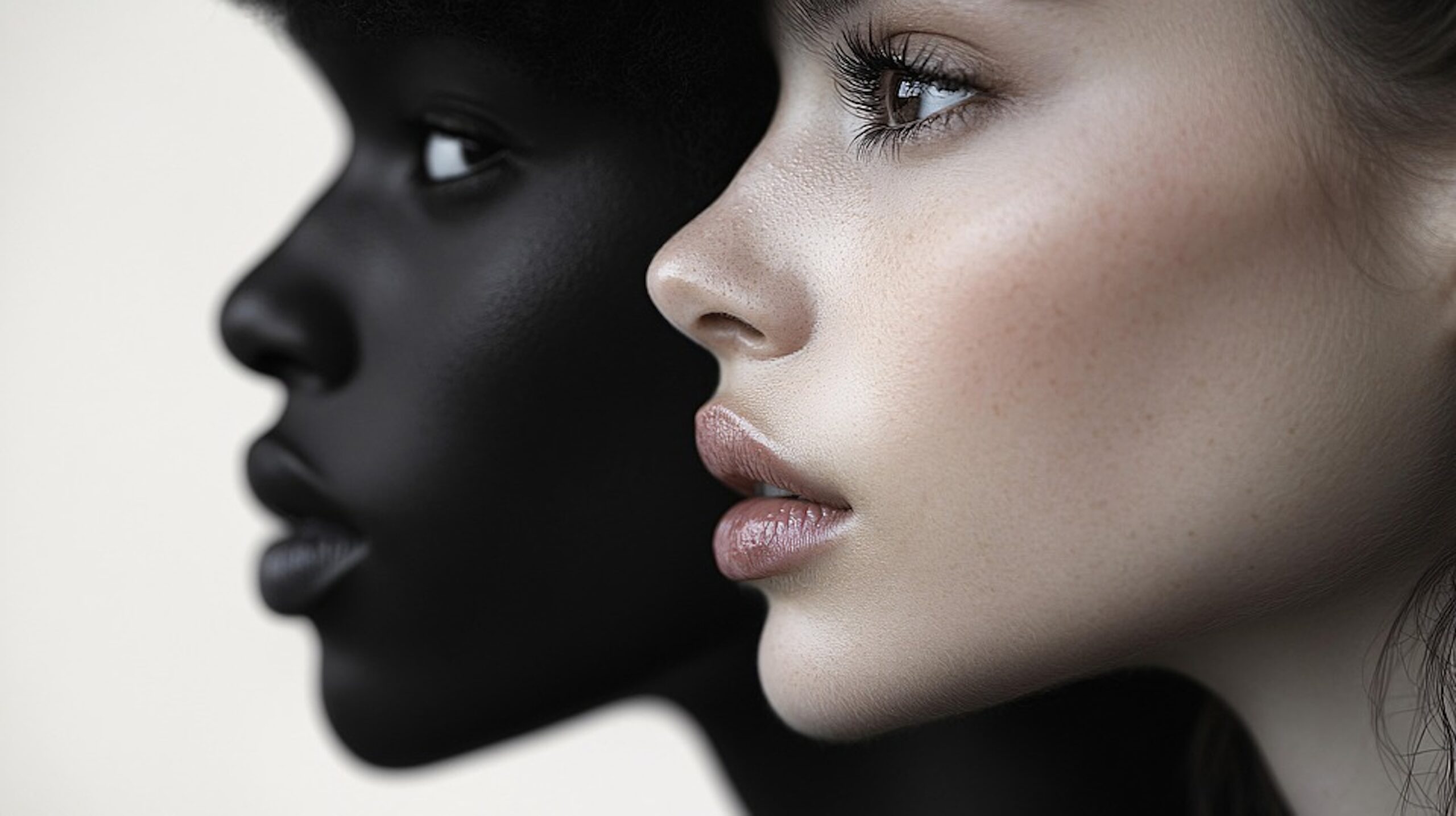
Do Black people have thicker skin than their White counterparts? This question has been a race-based question that has plagued American medicine for decades, even centuries. It was also used as a “medical fact” to justify the enslavement of Black people in America. Historically, many American doctors and healthcare practitioners have falsely believed that the darker a person’s skin, the thicker the skin; therefore, the more resistant and even resilient that person’s skin is to pain. In fact, a 2016 study indicated that nearly 40% of white first and second year medical students believed that Black people have thicker skin.
Today, we are going to break down this persistent and harmful myth that has negatively impacted the medical treatment of Black patients by healthcare professionals. Such unfounded beliefs cloud clinical judgment, limit patient care, and prevent positive medical outcomes for Black patients. I believe that there is an urgent need to understand the human skin of all people and dismiss unscientific beliefs about the skin that are untrue. Knowing the truth about our skin gives us greater leverage in how we not only treat patients in the hospital, but in how we treat each other in our everyday comings and goings.
First and foremost, the ‘thicker skin’ myth is totally false. Without a shadow of doubt, we know that scientific evidence, including studies found in the Journal of the American Academy of Dermatology, notes that there is no significant difference in skin thickness among racial groups. In fact, this myth has racist, historical origins linked to upholding the subjugation of Black people in America. Race-based scientists and doctors such as Samuel Cartright and J. Marion Sims used these beliefs to defend their cruel beatings towards enslaved black people and their dangerously evasive experiments on enslaved Black women without consent. To practice effective healthcare, we must look at a patient’s medical history and unique genetic characteristics, rather than racial stereotypes.
It is true that there are subtle structural skin differences among people, but the overall thickness of skin is similar. For instance, the outmost skin layer (known as stratum corneum) can be denser in darker skin, and the dermis more compact, which contributes to different aging patterns. In other words, the racial identity does not produce thicker skin. Instead, it is the skin’s age that serves as the primary factor for skin thickness, not race. Age, as well as sun exposure, has a much more significant impact on skin thickness than race. So, the answer to this question is no, Black people do not have thicker skin than their White counterparts. Therefore, it is a medical myth.
Ethically speaking,
Obiora N. Anekwe
Tags: Black American, Truth or Myth, Whites People
Categorised in: Blog
Categorised in: Blog